

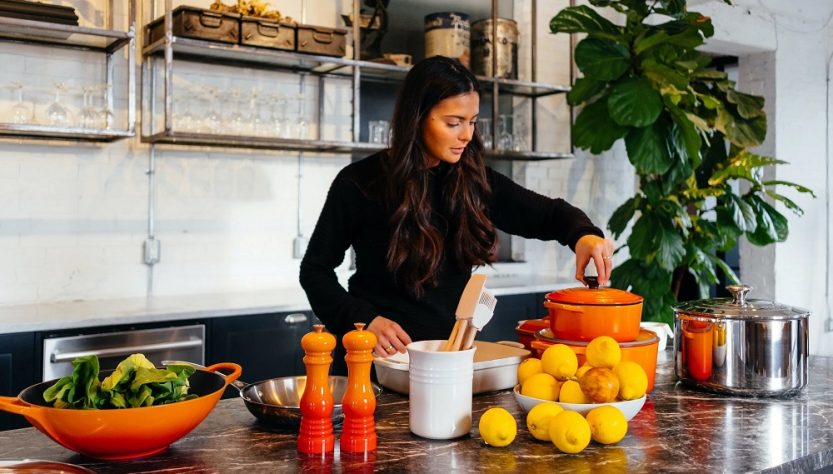
Cooking restaurant-quality food at home is not about expensive ingredients or professional equipment. It is about mastering techniques, understanding flavors, and paying attention to detail. With the right approach, any home kitchen can produce meals that match the refinement and taste of professional dining experiences.
This guide explains practical strategies chefs use daily and shows how to apply them easily at home.
Understand the Importance of Ingredients
Professional kitchens prioritize ingredient quality before anything else. Even simple dishes taste exceptional when prepared with fresh components.
Focus on:
- Fresh vegetables instead of stored produce
- Whole spices instead of pre-ground powders
- Good-quality oils and butter
- Seasonal ingredients whenever possible
Seasonal produce carries stronger flavor and requires less effort to transform into impressive dishes.
Master Basic Cooking Techniques
Restaurant chefs rely heavily on technique rather than complexity. Learning a few core skills dramatically improves results.
Essential techniques include:
Searing
High heat creates a flavorful crust on proteins and vegetables. Always dry ingredients before placing them in a hot pan.
Deglazing
After sautéing, adding liquid like stock or lemon juice lifts flavorful browned bits from the pan to create instant sauces.
Knife skills
Uniform cuts ensure even cooking and professional presentation.
Temperature control
Avoid overcrowding pans and learn when to cook on high, medium, or low heat.
Season Food Properly and Confidently
Seasoning is often the biggest difference between home cooking and restaurant cooking.
Chefs season in layers:
- Salt ingredients lightly before cooking
- Adjust seasoning during cooking
- Taste and refine before serving
Use:
- Citrus juice for brightness
- Fresh herbs for aroma
- Pepper for warmth
- Butter for richness
Balanced seasoning enhances flavor without overpowering the dish.
Use the Right Cookware
Professional kitchens rely on sturdy cookware that distributes heat evenly.
Recommended essentials:
- Cast iron skillet
- Heavy stainless steel pan
- Sharp chef’s knife
- Thick-bottom saucepan
- Wooden spatula
You do not need expensive equipment. Durable basics deliver excellent results.
Focus on Timing Like a Chef
Restaurant kitchens succeed because timing is precise. Components finish cooking together.
Practice:
- Preparing ingredients before starting
- Cooking faster items last
- Resting meat before slicing
- Serving immediately after plating
Organized preparation improves confidence and consistency.
Build Flavor Through Simple Techniques
Restaurant-quality flavor develops gradually during cooking.
Effective methods include:
Layering aromatics
Start with onion, garlic, ginger, or herbs.
Using stock instead of water
Stock deepens taste instantly.
Finishing with butter
Adds shine and richness to sauces.
Adding acid at the end
Lemon juice or vinegar balances heavier flavors.
These small steps create noticeable improvements.
Plate Food Like a Professional
Presentation influences how food is experienced.
Follow these plating habits:
- Use clean plates
- Keep portions balanced
- Add color contrast with herbs or vegetables
- Avoid overcrowding the plate
- Wipe plate edges before serving
Simple presentation changes instantly elevate the meal.
Control Texture for Better Results
Texture is one of the most overlooked elements in home cooking.
Restaurants balance:
- Crispy and soft
- Creamy and fresh
- Tender and crunchy
Examples include:
- Toasting nuts for salads
- Adding fresh herbs after cooking
- Using roasted vegetables instead of boiled ones
Contrast keeps dishes interesting and memorable.
Taste Constantly While Cooking
Professional chefs taste throughout the process, not only at the end.
This helps:
- Adjust seasoning early
- Correct mistakes quickly
- Maintain flavor balance
Developing this habit improves cooking accuracy over time.
Keep the Kitchen Organized
A tidy workspace improves speed and reduces stress.
Practice:
- Cleaning while cooking
- Keeping tools nearby
- Preparing ingredients in advance
- Returning items to their place
Organization supports better cooking decisions.
Practice Restaurant Techniques Regularly
Consistency improves skill faster than complexity.
Try:
- Cooking one dish repeatedly
- Practicing one technique each week
- Improving plating style gradually
- Experimenting with herbs and sauces
Small improvements compound quickly.
Frequently Asked Questions
What is the most important habit chefs use that home cooks ignore
Chefs taste their food repeatedly while cooking. This allows continuous adjustment and better flavor balance.
Do I need expensive ingredients to cook restaurant-quality meals
No. Fresh ingredients handled properly usually produce better results than expensive but poorly prepared ones.
Why does restaurant food taste more flavorful than home cooking
Restaurants season in layers, use proper heat control, and build flavor step by step during cooking.
How can I improve my cooking quickly at home
Focus on mastering knife skills, temperature control, and seasoning techniques before attempting complex recipes.
Is presentation really important for home cooking
Yes. Presentation improves how food is perceived and makes meals feel more enjoyable and refined.
What is the easiest restaurant technique beginners should learn first
Pan searing is one of the fastest ways to improve flavor and texture in everyday cooking.
How do chefs make simple dishes taste richer
They finish dishes with butter, fresh herbs, or a small amount of acid to enhance overall balance and depth of flavor