

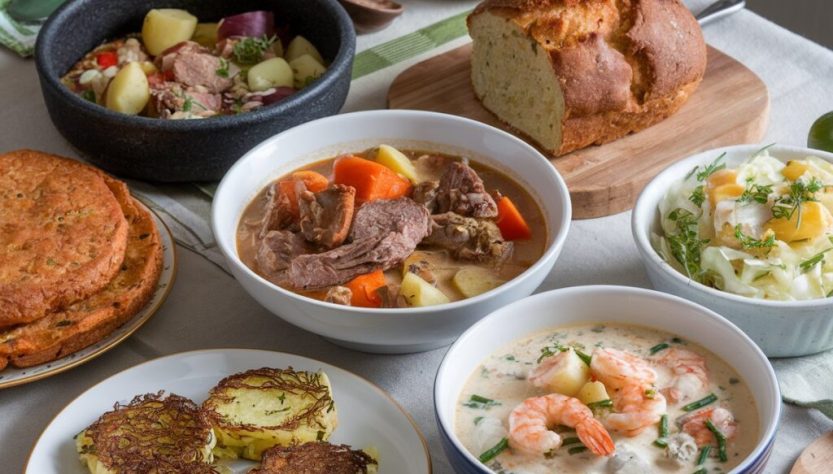
Traditional dishes carry memory, culture, and comfort. Yet today’s kitchens demand faster preparation, lighter nutrition profiles, and adaptable techniques without sacrificing flavor. Reinventing classic recipes is not about replacing heritage—it is about refining it for contemporary lifestyles, ingredients, and tools.
Modern reinterpretations preserve the soul of time-honored dishes while improving efficiency, health value, and presentation. The result is food that feels familiar yet refreshingly relevant.
Why Classic Recipes Benefit from Modern Updates
Updating traditional recipes allows cooks to respond to changing dietary needs and kitchen realities while keeping authenticity intact.
Key advantages include:
- Reduced cooking time using modern appliances
- Healthier ingredient substitutions
- Improved texture and presentation
- Adaptation for plant-based and gluten-free diets
- Better portion control for contemporary households
These refinements make classic dishes easier to prepare regularly rather than reserving them for special occasions.
Reinvented Comfort: Lighter Mac and Cheese
Traditional mac and cheese is beloved for its richness. However, modern kitchens often aim for balanced nutrition without losing its creamy appeal.
Smart upgrades include:
- Replacing part of the pasta with roasted cauliflower
- Using Greek yogurt instead of heavy cream
- Choosing sharp cheddar for stronger flavor with less quantity
- Adding spinach or peas for color and nutrients
This version preserves the comforting texture while reducing heaviness and increasing protein content.
Faster Flavor: Pressure Cooker Butter Chicken
Traditional butter chicken requires slow simmering to develop depth. A pressure cooker transforms the process without compromising authenticity.
Modern technique advantages:
- Deep flavor in under 30 minutes
- Less oil required
- Easier marinade absorption
- One-pot preparation simplifies cleanup
Adding cashew paste instead of excessive butter creates a creamy texture with a cleaner finish.
Whole Grain Upgrade: Reinvented Classic Pizza
Pizza remains one of the world’s most adaptable classics. Modern kitchens are transforming it into a nutritious everyday meal.
Creative improvements include:
- Whole wheat or multigrain crusts
- Roasted seasonal vegetables as toppings
- Homemade tomato sauce with minimal sugar
- Paneer or fresh mozzarella in moderate portions
These adjustments retain satisfaction while improving fiber and micronutrient intake.
Air Fryer Innovation: Crispy Yet Light Samosas
Deep-fried snacks are iconic but often reserved for celebrations. Air frying offers a practical solution.
Modern preparation benefits:
- Up to 70 percent less oil
- Crisp exterior with soft filling
- Faster cooking cycles
- Suitable for weekly meal plans
Experimenting with fillings like sweet potato, lentils, or spinach introduces variety without losing the recognizable shape and flavor profile.
Plant-Forward Twist: Reinvented Shepherd’s Pie
Traditionally meat-based shepherd’s pie adapts beautifully to modern plant-forward cooking.
Smart substitutions include:
- Lentils instead of minced meat
- Olive oil instead of butter
- Mashed sweet potatoes for extra nutrients
- Fresh herbs for brightness
The result delivers warmth and satisfaction with improved fiber content and lighter digestion.
Smart Tools That Transform Traditional Cooking
Modern appliances help reinterpret classics without sacrificing authenticity.
Most helpful tools include:
- Pressure cookers for faster braising
- Air fryers for crisp textures with minimal oil
- Induction cooktops for precise temperature control
- High-speed blenders for smoother sauces
- Food processors for efficient prep
These tools shorten preparation time while maintaining consistency across recipes.
Ingredient Swaps That Modernize Any Classic Dish
Simple substitutions can refresh nearly any traditional recipe.
Examples include:
- Yogurt instead of heavy cream
- Whole grains instead of refined flour
- Olive oil instead of hydrogenated fats
- Lentils instead of red meat in layered dishes
- Natural sweeteners instead of refined sugar
Such changes improve nutrition without compromising flavor depth.
Presentation Matters in Modern Kitchens
Today’s cooking values visual appeal alongside taste.
Modern plating techniques include:
- Smaller, balanced portions
- Fresh herb garnishes
- Contrasting textures
- Neutral serving dishes that highlight ingredients
Even traditional meals feel contemporary when thoughtfully presented.
FAQ Section
How can classic recipes stay authentic after modernization
Authenticity remains intact when the core flavors, spices, and cooking philosophy are preserved even if preparation techniques change.
Are modern versions always healthier than traditional recipes
Not always. Health improvements depend on ingredient substitutions and cooking methods rather than modernization alone.
Which kitchen appliance makes the biggest difference when updating classic recipes
Pressure cookers and air fryers usually provide the most noticeable improvement in speed and oil reduction.
Can traditional desserts be modernized successfully
Yes. Using natural sweeteners, portion control, and alternative flours can refresh desserts without losing their identity.
Is it expensive to reinvent classic dishes at home
Most upgrades involve simple substitutions rather than specialty ingredients, making them cost effective.
How do whole grains change the taste of classic recipes
Whole grains add a slightly nutty flavor and richer texture while increasing fiber content.
Can beginners try reinventing traditional recipes safely
Yes. Starting with small ingredient swaps and modern appliances makes experimentation simple and manageable.