

Gluten-free cooking has evolved far beyond dry breads and crumbly cookies. With the right ingredient combinations and techniques, it is entirely possible to create baked goods and meals that feel just as soft, chewy, flaky, or crisp as their traditional counterparts. Texture depends less on gluten itself and more on structure, moisture balance, and binding strategies.
This guide explains how to preserve satisfying textures while preparing reliable gluten-free recipes at home, followed by practical recipes you can use immediately.
Why Texture Is Challenging in Gluten-Free Cooking
Gluten provides elasticity and structure. Without it, baked goods often become dense, fragile, or overly dry. However, gluten-free success comes from replacing gluten’s function rather than attempting to imitate it directly.
Common texture problems include
- crumbly breads
- dry cakes
- gritty mouthfeel
- flat cookies
- gummy interiors
Each issue can be corrected with thoughtful ingredient pairing.
Key Ingredients That Improve Gluten-Free Texture
Gluten-Free Flours That Work Best
Instead of relying on a single flour, combine several to balance structure and softness
Popular options include
- rice flour for lightness
- almond flour for moisture
- sorghum flour for mild sweetness
- oat flour for softness
- tapioca starch for chewiness
- potato starch for tenderness
Blending flours produces results closer to wheat-based recipes.
Natural Binders That Replace Gluten
Binders recreate elasticity and hold ingredients together
Effective binders include
- psyllium husk
- xanthan gum
- chia seeds
- ground flaxseed
- eggs
Even small quantities dramatically improve structure.
Moisture-Retaining Ingredients
Moisture supports softness and prevents cracking
Use ingredients like
- yogurt
- applesauce
- mashed banana
- olive oil
- honey
These enhance both flavor and texture.
Gluten-Free Breakfast Pancakes With Soft Texture
These pancakes stay tender without becoming rubbery.
Ingredients
- 1 cup oat flour
- 1 tablespoon tapioca starch
- 1 teaspoon baking powder
- 1 mashed banana
- 1 egg
- 3/4 cup milk
- 1 teaspoon vanilla extract
Instructions
- Mix dry ingredients in a bowl.
- Combine banana, egg, milk, and vanilla separately.
- Fold wet mixture into dry ingredients.
- Cook on a preheated skillet until golden.
Mashed banana provides moisture while tapioca starch adds elasticity.
Soft Gluten-Free Sandwich Bread
Achieving soft gluten-free bread depends on hydration and binding.
Ingredients
- 2 cups gluten-free flour blend
- 1 tablespoon psyllium husk
- 1 teaspoon salt
- 1 tablespoon sugar
- 2 teaspoons yeast
- 1 1/4 cups warm water
- 2 tablespoons olive oil
Instructions
- Combine flour, psyllium husk, salt, sugar, and yeast.
- Add warm water and olive oil.
- Mix until sticky dough forms.
- Let rise for 45 minutes.
- Bake at 180°C for 40 minutes.
Psyllium husk traps moisture and creates a flexible crumb.
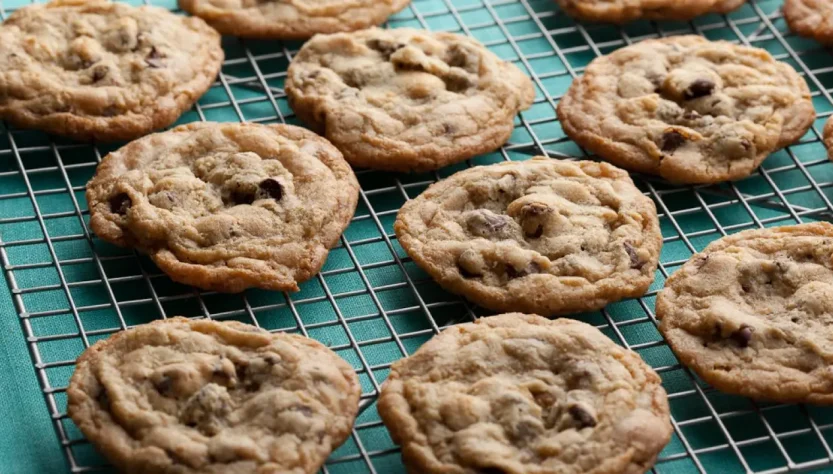
Chewy Gluten-Free Chocolate Chip Cookies
Chewiness comes from balancing fat and starch correctly.
Ingredients
- 1 cup almond flour
- 1/2 cup tapioca starch
- 1/2 cup brown sugar
- 1 egg
- 4 tablespoons butter
- 1 teaspoon vanilla extract
- chocolate chips
Instructions
- Mix dry ingredients.
- Add butter, egg, and vanilla.
- Fold in chocolate chips.
- Bake at 175°C for 12 minutes.
Almond flour prevents dryness while tapioca starch improves elasticity.
Crispy Gluten-Free Vegetable Fritters
Crisp edges require proper starch selection.
Ingredients
- grated zucchini
- chickpea flour
- rice flour
- salt
- cumin powder
- chopped herbs
- water as needed
Instructions
- Remove moisture from zucchini.
- Mix with chickpea flour and rice flour.
- Add spices and herbs.
- Shape into patties.
- Pan fry until crisp.
Rice flour ensures crunch while chickpea flour strengthens structure.
Tips To Maintain Ideal Texture In Gluten-Free Recipes
Follow these professional techniques for reliable results
- measure flour accurately using a spoon-and-level method
- allow batters to rest before baking
- increase hydration slightly compared to wheat recipes
- combine multiple flours instead of using one alone
- bake at slightly lower temperatures for longer durations
- avoid overmixing dough
These adjustments dramatically improve consistency.
Common Mistakes That Ruin Gluten-Free Texture
Avoid these errors
- skipping binding agents
- replacing wheat flour with only rice flour
- reducing moisture content
- overbaking
- ignoring resting time
Correcting these habits leads to softer and more stable results.
FAQ
Why do gluten-free baked goods sometimes feel gritty
This usually happens when coarse rice flour is used alone. Mixing finer flours like oat flour or almond flour improves smoothness.
Can gluten-free dough be kneaded like wheat dough
Most gluten-free dough behaves more like thick batter than traditional dough. Overkneading does not improve structure.
Which starch improves chewiness the most
Tapioca starch creates the best chewiness in breads, cookies, and pizza crusts.
Is psyllium husk better than xanthan gum
Psyllium husk often produces a more natural bread-like texture, especially in yeast-based recipes.
How can gluten-free cakes stay moist longer
Adding yogurt, applesauce, or mashed fruit helps retain moisture after baking.
Does resting gluten-free batter really help texture
Yes. Resting allows starches to hydrate fully, which improves structure and softness.
Can gluten-free recipes work without eggs
Yes. Flaxseed gel, chia seeds, or psyllium husk can replace eggs while maintaining binding strength.