

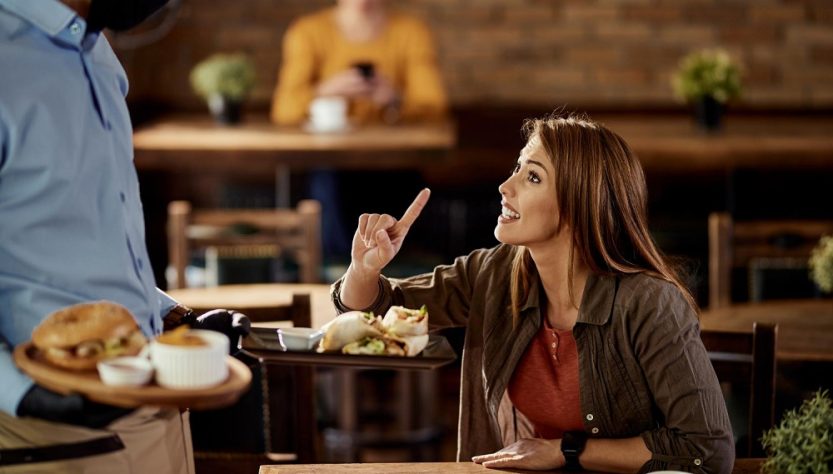
Running a successful restaurant depends on more than serving good food. Customers evaluate their experience from the moment they enter to the time they leave. Small operational mistakes can quietly reduce repeat visits and damage reputation over time.
Understanding the most common service and management errors helps restaurant owners improve customer satisfaction and long term loyalty.
Poor First Impressions at Entry
Customers form opinions within seconds of entering a restaurant. If they feel ignored or confused about where to go, the dining experience begins negatively.
Common entry related mistakes include
- not greeting guests promptly
- unclear waiting procedures
- cluttered or unclean entrance areas
- staff appearing distracted or unavailable
A warm and organized welcome immediately builds trust and comfort.
Slow Service and Long Waiting Times
Long delays without communication frustrate customers quickly. Even excellent food cannot compensate for poor timing.
Restaurants often lose customers because of
- delayed table service
- slow order taking
- extended kitchen preparation times
- lack of updates during waiting periods
Clear communication about wait times helps manage expectations and reduces dissatisfaction.
Inconsistent Food Quality
Consistency is one of the most important factors in restaurant success. Customers return when they know what to expect.
Quality issues that discourage repeat visits include
- dishes tasting different on each visit
- incorrect portion sizes
- poorly plated meals
- ingredients lacking freshness
Standardized preparation procedures help maintain reliability.
Unfriendly or Untrained Staff
Customer service strongly influences whether guests return. Even small communication mistakes can leave lasting negative impressions.
Common staff related problems include
- lack of eye contact
- dismissive responses
- poor menu knowledge
- slow response to customer requests
Training improves both confidence and professionalism.
Ignoring Cleanliness and Hygiene Standards
Cleanliness affects customer perception immediately. Guests often associate visible hygiene with food safety and quality.
Frequent cleanliness mistakes include
- unclean tables or menus
- poorly maintained restrooms
- sticky floors
- cluttered service counters
Maintaining visible cleanliness reassures customers about overall standards.
Complicated or Confusing Menus
Menus should guide customers easily toward decisions. Overly complex layouts create frustration and slow ordering.
Menu related mistakes often include
- too many similar options
- unclear descriptions
- missing pricing clarity
- outdated menu items still listed
Clear and organized menus improve ordering speed and satisfaction.
Lack of Attention During the Dining Experience
Customers appreciate attentive service without feeling interrupted. Ignoring tables for long periods creates dissatisfaction even when food quality is strong.
Signs of poor table attention include
- empty glasses remaining unnoticed
- delayed bill presentation
- difficulty requesting assistance
- missing follow up after food delivery
Balanced attentiveness improves the overall dining atmosphere.
Failure to Handle Customer Complaints Properly
Complaints provide opportunities to recover trust. Ignoring them often leads to negative reviews and lost loyalty.
Restaurants commonly make mistakes such as
- responding defensively
- delaying solutions
- failing to acknowledge customer concerns
- not following up after resolution
Professional complaint handling strengthens relationships with guests.
Overpricing Without Delivering Value
Customers evaluate pricing based on the full experience rather than food alone. If expectations are not met, they rarely return.
Perceived value depends on
- portion size
- service quality
- presentation
- restaurant atmosphere
Balanced pricing aligned with experience encourages repeat visits.
Weak Online Presence and Communication
Many customers research restaurants before visiting. Poor digital presentation discourages first time guests.
Online related mistakes include
- outdated menus on websites
- missing contact information
- unanswered customer reviews
- unclear operating hours
Accurate online information supports customer confidence before arrival.
FAQ
How important is staff attitude compared to food quality
Staff attitude is equally important because customers remember how they were treated as much as what they ate.
Do background music choices affect customer experience
Yes. Music volume and style influence comfort levels and can shape how long customers choose to stay.
Can lighting impact whether customers return
Comfortable lighting improves atmosphere and affects how food presentation is perceived.
How often should restaurants review their service procedures
Regular monthly evaluations help identify service gaps before they affect customer satisfaction.
Does table arrangement influence customer perception
Yes. Proper spacing improves privacy, comfort, and overall dining enjoyment.
Should restaurants collect customer feedback regularly
Yes. Feedback helps identify recurring concerns and highlights opportunities for improvement.
How does staff communication within the team affect customers
Strong internal coordination ensures faster service, fewer errors, and smoother customer experiences.