

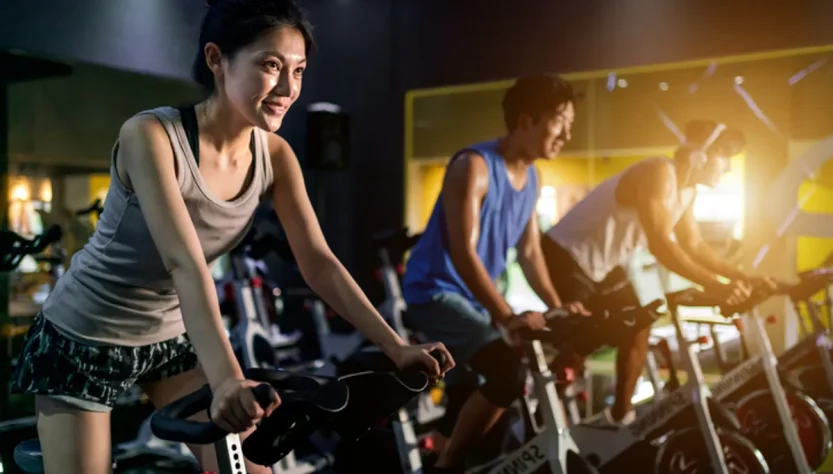
A strong ride starts before the bike. Food, hydration, and timing can make the difference between feeling energized and feeling heavy or drained. An indoor spin class can be physically demanding because it includes resistance, sprints, climbs, rhythm changes, and sustained cardio. The body needs the right support to perform well.
Good nutrition does not need to be complicated. It simply needs to help the body feel ready for movement, recover after effort, and maintain energy across the week.
Why Food Matters Before Spin
Spin classes use a lot of energy. The legs work continuously, the heart rate rises, and the body sweats. If someone arrives under-fueled, they may feel weak, dizzy, or unable to keep up.
If someone eats too much too close to class, they may feel uncomfortable. Heavy food can make cycling feel harder, especially during intense sections.
The goal is balance. Riders should feel fueled, not full.
Timing Is the First Step
Meal timing depends on how much food is eaten. A full meal usually works best two to three hours before class. This gives the body time to digest.
A small snack can be eaten 30 to 60 minutes before class if needed. This is useful for people attending early morning or evening sessions.
The closer the food is to class time, the lighter and easier to digest it should be.
Best Pre-Spin Foods
Good pre-spin food usually includes carbohydrates for energy and a little protein for steadiness. Carbs help fuel the ride, especially during higher-intensity sections.
Useful options include a banana, toast with peanut butter, oats with fruit, yogurt with berries, a smoothie, rice with lean protein if eaten earlier, or a small sandwich.
The best choice depends on personal digestion and class timing.
Foods to Avoid Right Before Class
Some foods may feel uncomfortable before spin. Fried meals, heavy creamy dishes, very spicy food, large portions, and carbonated drinks may not sit well during a ride.
This does not mean they are never allowed. They are simply not ideal right before a workout that involves sustained movement and intensity.
Riders should notice how their body responds and adjust accordingly.
Hydration Supports Performance
Hydration plays a major role in spin performance. Even mild dehydration can affect energy, focus, and comfort.
Riders should drink water throughout the day rather than waiting until class starts. Drinking too much immediately before class can feel uncomfortable.
People who sweat heavily may need electrolytes after class, especially if they train often or ride intensely.
Caffeine Can Help, But Use It Carefully
Some riders like caffeine before spin because it can improve alertness and motivation. Coffee or tea may help, especially before morning classes.
However, too much caffeine can cause jitters, stomach discomfort, or a racing heart. It may also affect sleep if taken late in the day.
Caffeine should support the ride, not replace proper food or hydration.
Morning Spin Nutrition
Morning riders often face a common question: should they eat before class? The answer depends on the person. Some feel fine training lightly on an empty stomach. Others feel weak without food.
A small snack can help. A banana, dates, toast, or yogurt may be enough. After class, breakfast should include protein, carbohydrates, and fluids.
Morning riders should also hydrate after waking because the body has gone several hours without water.
Evening Spin Nutrition
Evening riders often struggle with low energy because lunch may have been hours earlier. An afternoon snack can prevent a poor ride.
Good options include fruit, yogurt, a small sandwich, nuts with fruit, or crackers with cheese.
After class, dinner should support recovery but not feel too heavy late at night.
What to Eat After Spin
Post-class food helps the body recover. A balanced meal should include protein, carbohydrates, and fluids.
Protein supports muscle repair. Carbohydrates restore energy. Fluids replace sweat loss.
Good meals include eggs and toast, chicken with rice, tofu with noodles, Greek yogurt with fruit, fish with potatoes, or a balanced local meal with lean protein and vegetables.
Protein Helps Repair Muscles
Although spin is cardio-focused, the legs work hard. Protein helps repair and support muscles after training.
Good protein sources include eggs, chicken, fish, tofu, lentils, beans, Greek yogurt, lean meat, and paneer.
Including protein across the day is better than relying only on one post-workout meal.
Carbohydrates Help Refill Energy
Carbohydrates are useful after spin because they restore energy used during class. Riders who avoid carbs too much may feel tired during future workouts.
Rice, oats, potatoes, fruit, whole grains, noodles, and vegetables can all fit into a balanced diet.
Carbs should be chosen thoughtfully, not feared.
Healthy Fats Have a Place
Healthy fats support overall nutrition and satiety. Nuts, seeds, avocado, olive oil, and fatty fish can be good choices.
However, high-fat meals digest slowly. They may be better eaten further away from class rather than immediately before intense cycling.
Balance matters more than strict rules.
Eating for Weight Management
Many people attend spin for weight management. Food habits matter here. It is easy to overestimate calories burned and then overeat afterward.
A better approach is to eat balanced meals, manage portions, include protein, drink water, and avoid using workouts as permission to eat without awareness.
Spin can support weight management, but nutrition consistency is essential.
Eating for Better Performance
People who want stronger rides should pay attention to fueling. A good meal before class, proper hydration, and recovery food afterward can improve performance.
Performance is not only about effort. It is also about preparation.
A well-fueled rider often feels more focused, stronger, and more comfortable during class.
Listen to Your Body
There is no perfect meal that works for everyone. Some people ride best after oats. Others prefer fruit. Some need a full meal earlier. Others prefer a light snack.
The best method is to test different options and notice energy, digestion, and performance.
Personal awareness is more useful than strict food rules.
Food Should Make Fitness Easier
Nutrition should support the workout, not create stress. Riders do not need to eat perfectly. They need repeatable habits that help them show up with energy and recover well.
People who want spin classes, gym facilities, and structured fitness options can explore TFX Singapore while building food habits that help make every ride stronger and more enjoyable.