

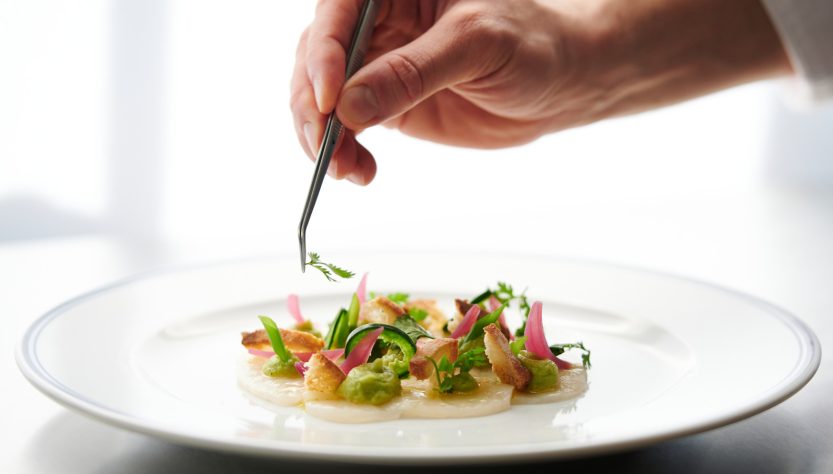
Dining out is no longer just about satisfying hunger. Today, guests expect an experience that engages their senses, emotions, and memories. Skilled chefs understand this shift and carefully design each element of a meal to leave a lasting impression. From ingredient selection to presentation and service coordination, chefs shape moments that guests remember long after the meal ends.
This article explores how chefs craft memorable dining experiences through creativity, precision, storytelling, and attention to detail.
Understanding the Guest Experience
Memorable dining begins with understanding what guests value. Chefs consider preferences, expectations, cultural influences, and even emotional connections to food when designing menus.
They ask questions such as:
- What flavors will surprise and delight diners
- Which textures create contrast and excitement
- How can dishes reflect the restaurant’s identity
- What story should the meal tell from start to finish
When chefs think beyond recipes and focus on experiences, meals become meaningful journeys rather than routine service.
The Role of Ingredient Quality
Exceptional ingredients form the foundation of unforgettable meals. Chefs prioritize freshness, seasonality, and sourcing transparency.
High-quality ingredients allow chefs to:
- Highlight natural flavors without excessive seasoning
- Support local farmers and producers
- Reflect seasonal authenticity
- Maintain consistency in taste and texture
Guests often remember meals where ingredients feel vibrant and purposeful rather than ordinary or predictable.
Creating Visual Appeal Through Presentation
Presentation influences perception before the first bite. Chefs treat plates as visual canvases, balancing color, shape, spacing, and structure.
Thoughtful plating helps:
- Build anticipation before tasting
- Highlight key ingredients
- Guide how guests interact with the dish
- Communicate creativity and precision
Even simple dishes can feel extraordinary when presented thoughtfully.
Designing Flavor Balance and Contrast
Flavor complexity plays a central role in memorable dining. Chefs carefully combine taste elements to create harmony.
Balanced dishes often include:
- Sweetness for comfort
- Acidity for brightness
- Saltiness for depth
- Bitterness for sophistication
- Umami for richness
Texture contrast also enhances enjoyment. A dish combining crisp, creamy, tender, and crunchy components keeps diners engaged throughout the meal.
Crafting a Narrative Through the Menu
A great dining experience often tells a story. Chefs design menus that guide guests through a sequence of flavors and emotions.
This storytelling may reflect:
- Seasonal transitions
- Regional traditions
- Personal culinary journeys
- Cultural heritage
- Ingredient-focused exploration
When dishes connect meaningfully, diners experience a sense of progression rather than randomness.
Collaboration With the Service Team
Memorable dining experiences depend on strong coordination between chefs and service staff. Timing, communication, and presentation consistency ensure smooth delivery.
Effective collaboration helps:
- Maintain proper dish temperature
- Deliver courses at the right pace
- Share ingredient knowledge with guests
- Handle dietary requests smoothly
Guests often remember seamless service as strongly as they remember flavors.
Enhancing the Dining Atmosphere
Chefs contribute more to ambiance than many people realize. Menu design, plating style, and pacing influence how guests perceive the entire environment.
Atmosphere elements shaped by culinary leadership include:
- Course timing
- portion size progression
- aroma balance in the dining space
- interaction moments between staff and guests
These subtle choices transform meals into immersive experiences.
Personalization and Guest Connection
Modern chefs increasingly focus on personalization. Recognizing returning guests, adapting menus for dietary needs, and responding to feedback strengthens emotional connections.
Personal touches may include:
- customized tasting courses
- off-menu suggestions
- ingredient substitutions
- celebration-focused plating
When guests feel recognized, they are more likely to remember and revisit the experience.
Innovation Without Losing Authenticity
Creative experimentation keeps dining exciting, but successful chefs balance innovation with familiarity.
They often innovate through:
- modern cooking techniques
- unexpected ingredient pairings
- reinterpretation of traditional recipes
- interactive presentation formats
Innovation becomes memorable when it enhances meaning rather than distracting from it.
Consistency as the Foundation of Trust
Consistency builds loyalty. Guests return when they know they can expect quality every time.
Chefs maintain consistency by:
- standardizing preparation methods
- training kitchen teams thoroughly
- monitoring ingredient sourcing
- refining plating procedures
Reliable excellence strengthens long-term relationships between restaurants and diners.
Conclusion
Memorable dining experiences result from careful planning, creativity, teamwork, and emotional awareness. Chefs shape these experiences by combining technical skill with storytelling, visual artistry, ingredient quality, and guest connection. When each element works together seamlessly, a meal becomes more than nourishment. It becomes something guests carry with them long after they leave the table.
Frequently Asked Questions
1. Why is presentation important in dining experiences
Presentation shapes first impressions and influences how guests perceive flavor, quality, and creativity before tasting the dish.
2. How do chefs decide what ingredients to include in seasonal menus
Chefs select ingredients based on availability, freshness, regional sourcing opportunities, and how well they fit the restaurant’s culinary theme.
3. What role does storytelling play in menu design
Storytelling helps create emotional connections between guests and dishes by linking flavors to traditions, seasons, or personal inspiration.
4. How do chefs handle dietary restrictions while maintaining quality
Chefs adapt ingredients thoughtfully and develop alternative techniques that preserve flavor balance and presentation integrity.
5. Why is teamwork important in restaurant kitchens
Strong teamwork ensures accurate timing, consistent quality, efficient service flow, and better communication between kitchen and dining staff.
6. How does atmosphere influence the perception of food
Lighting, pacing, aroma, and service interaction shape how guests interpret flavors and overall satisfaction.
7. What makes a dining experience memorable enough for guests to return
Consistency, personalization, emotional engagement, creative presentation, and excellent ingredient quality encourage repeat visits.