

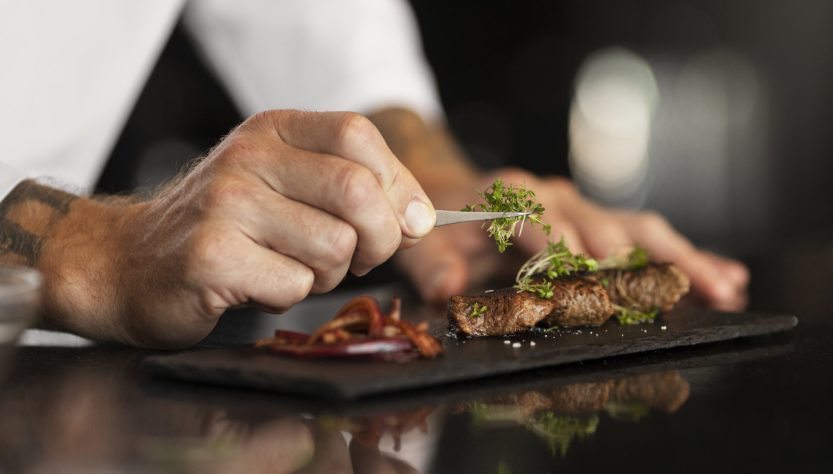
Modern gastronomy is evolving rapidly as chefs combine creativity, sustainability, technology, and cultural storytelling to redefine how people experience food. Today’s culinary professionals are no longer limited to traditional techniques. Instead, they experiment with ingredients, presentation styles, and service formats that reflect changing consumer expectations.
Understanding these innovation trends helps restaurants stay competitive while offering memorable dining experiences that go beyond taste alone.
Emphasis on Ingredient Transparency and Traceability
Guests increasingly want to know where their food comes from and how it is produced. Chefs now prioritize sourcing ingredients responsibly and communicating their origins clearly.
Key practices include:
- Partnering with local farmers and producers
- Highlighting seasonal sourcing
- Sharing supplier stories on menus
- Reducing reliance on processed ingredients
This approach builds trust and strengthens the relationship between kitchens and communities.
Expansion of Plant Forward Culinary Creativity
Plant based gastronomy has moved beyond simple vegetarian substitutions. Chefs are now designing dishes where vegetables take center stage rather than acting as side components.
Common innovations include:
- Vegetable driven tasting menus
- Creative use of legumes and grains
- Fermented plant ingredients for depth of flavor
- Alternative protein experimentation
This shift supports sustainability goals while expanding culinary possibilities.
Integration of Technology in Kitchen Operations
Technology is transforming both food preparation and restaurant management systems. Modern kitchens now rely on precision tools that improve consistency and efficiency.
Examples include:
- Smart cooking equipment with programmable settings
- Digital inventory tracking systems
- Temperature monitoring technology
- AI assisted menu development insights
These tools allow chefs to focus more on creativity while maintaining operational control.
Revival of Traditional Techniques with Contemporary Interpretation
Many chefs are rediscovering heritage cooking practices and presenting them in modern formats. This blending of tradition with innovation creates dishes that feel both familiar and refined.
Popular techniques being revived include:
- Slow fermentation methods
- Clay pot cooking
- Open fire grilling
- Regional spice layering techniques
Modern presentation transforms these classic approaches into contemporary dining experiences.
Molecular Gastronomy Influencing Texture and Presentation
Scientific understanding of ingredients continues to inspire chefs to rethink structure and flavor delivery.
Common applications include:
- Edible foams
- Flavor encapsulation
- Gel based textures
- Liquid nitrogen finishing techniques
These elements enhance sensory engagement and encourage diners to interact with food in new ways.
Rise of Hyper Local and Seasonal Menu Design
Menus are becoming increasingly dynamic as chefs respond directly to seasonal availability and nearby sourcing opportunities.
Benefits of hyper local menus include:
- Stronger ingredient freshness
- Reduced transportation impact
- Unique regional identity
- Greater menu flexibility
This approach ensures that dishes remain authentic and environmentally responsible.
Multi Sensory Dining Experiences
Modern gastronomy now extends beyond taste alone. Chefs collaborate with designers and service teams to shape immersive dining environments.
Experiential elements may include:
- Lighting coordination with course progression
- Interactive plating presentations
- Aroma enhancement techniques
- Sound paired dining experiences
These features transform meals into memorable events rather than routine service.
Zero Waste Culinary Strategies
Reducing kitchen waste has become a major focus across professional gastronomy. Innovative chefs design menus that maximize ingredient use from root to stem.
Examples include:
- Vegetable peel stocks
- Citrus rind infusions
- Bread reuse in sauces
- Fermentation of surplus ingredients
Zero waste cooking supports sustainability while encouraging creative thinking.
Cross Cultural Flavor Fusion with Authentic Balance
Fusion cuisine continues evolving, but modern chefs focus on thoughtful integration rather than novelty combinations.
Effective fusion strategies include:
- Respecting ingredient heritage
- Maintaining flavor harmony
- Using regional spice compatibility
- Highlighting complementary textures
This results in dishes that feel intentional rather than experimental for its own sake.
Minimalist Plating with Strong Visual Identity
Presentation styles are shifting toward simplicity that highlights ingredient quality and structure.
Minimalist plating typically features:
- Clean plate composition
- Controlled portion placement
- Natural color contrast
- Focused garnish selection
This technique allows ingredients to remain the visual centerpiece of each dish.
Chef Driven Storytelling Through Menu Design
Menus increasingly reflect personal narratives from chefs themselves. Culinary storytelling adds emotional depth to dining experiences.
Storytelling approaches include:
- Highlighting childhood influences
- Sharing regional inspirations
- Presenting travel inspired dishes
- Celebrating cultural heritage ingredients
This creates stronger engagement between guests and the culinary team.
Frequently Asked Questions
How are younger chefs influencing modern gastronomy trends
Younger chefs often bring interdisciplinary thinking, global exposure, and sustainability awareness that encourages experimentation and responsible sourcing practices.
Why is menu flexibility becoming important in modern restaurants
Flexible menus allow chefs to respond quickly to ingredient availability, seasonal shifts, and evolving guest expectations without compromising quality.
How does social media impact culinary innovation today
Visual platforms encourage chefs to refine presentation styles and experiment with visually distinctive dishes that attract attention and engagement.
What role does guest feedback play in shaping modern menus
Restaurants increasingly analyze guest preferences and dining behavior to refine menu structure and improve customer satisfaction.
How are open kitchen concepts changing dining experiences
Open kitchens increase transparency, build trust, and allow guests to observe craftsmanship directly, strengthening their connection with the culinary process.
Why are chefs collaborating with local artisans and producers
Working with regional suppliers improves ingredient quality, supports local economies, and helps restaurants develop a unique culinary identity.
How does sustainability influence equipment choices in modern kitchens
Many kitchens now invest in energy efficient appliances and waste reduction systems that support long term environmental responsibility while improving operational efficiency.