

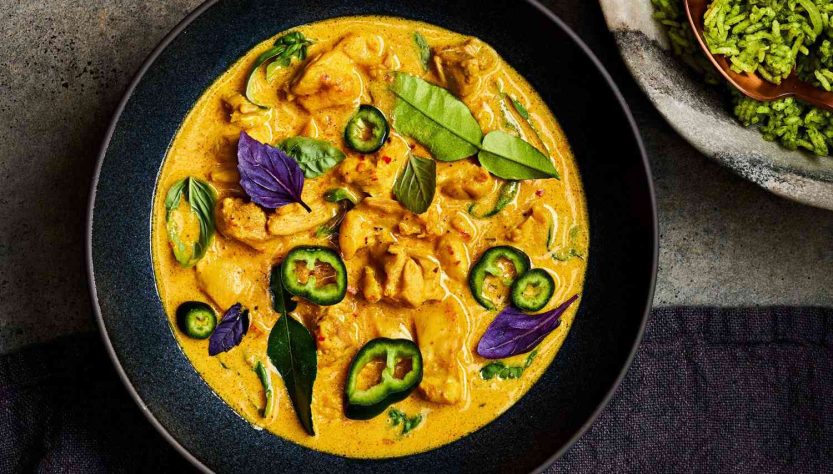
Many people exploring Thai cooking for the first time are surprised by how varied Thai curry paste can be. The flavors range from soft and mellow to bold and fiery, and each style brings its own character to a dish. Thai cuisine uses curry pastes as the foundation for soups, stir fries, and slow cooked meals, and the type you choose changes the entire direction of the dish. Knowing the differences helps you cook with confidence and match the paste to your preferred level of heat.
Milder curry pastes usually rely on herbs for their aroma rather than chilies for intensity. These pastes include familiar ingredients like lemongrass, galangal, garlic, and coriander root. The flavor is fragrant and smooth, which makes them great for people who want the depth of Thai cooking without too much heat. They allow coconut milk, vegetables, and proteins to shine without being overshadowed. This style works well for families or anyone easing into Thai flavors.
Spicier pastes build on the same aromatic foundation but add generous amounts of fresh or dried chilies. The heat level varies between brands and recipes, but the general character stays bold and punchy. These pastes often create dishes with a warm, lingering burn that intensifies as they simmer. They suit people who enjoy strong flavors and want a dish that feels lively and energetic. Even a small amount can transform a simple meal into something memorable.
The difference between mild and spicy styles is not only about heat. It is also about the rhythm of the flavors. Mild pastes release their aroma gradually, creating dishes that feel gentle and comforting. Spicy pastes hit quickly and leave a sharper impression. This contrast is why many home cooks like keeping both types on hand. Each one supports a different mood and suits different ingredients.
Another factor is how pastes behave when cooked with coconut milk. Milder ones blend seamlessly, forming a creamy base that suits vegetables, chicken, tofu, or fish. Spicier pastes interact differently. The heat cuts through the richness of coconut milk and creates a balanced dish that feels both smooth and lively. This contrast is one of the reasons Thai cuisine remains popular around the world.
People who enjoy experimenting with flavors often start by adjusting small details. Adding more coconut milk softens the heat, while adding fresh chilies or a spoonful of the paste increases intensity. Even simmering time changes the final profile. A longer simmer brings out deeper notes and mellow heat, while a quick stir fry keeps the flavors bright. These simple adjustments help you tailor dishes to the people eating them.
Understanding the range of Thai curry pastes opens the door to more enjoyable cooking. Once you know how mild and spicy styles behave, it becomes easier to choose the right one for each dish. The process becomes less about guessing and more about shaping the flavor you want. With a couple of jars in the kitchen and a willingness to taste as you go, Thai cooking becomes far more approachable and rewarding.