

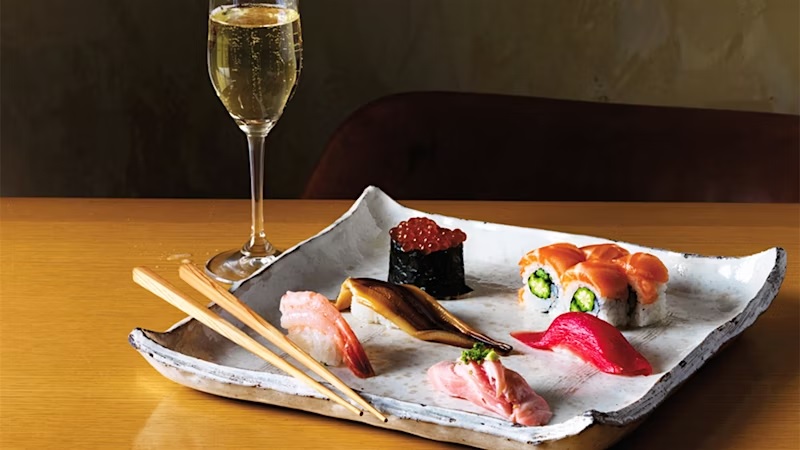
When it comes to pairing wine with Japanese food, the experience can be incredibly rewarding and surprisingly intricate. Japanese cuisine often brings clean, subtle flavors and umami-filled dishes to the table. These qualities make it unique, but also a little tricky when selecting the perfect wine. From delicate sushi rolls to richly umami-packed dishes like miso-braised meats or soy-marinated fish, the right wine can elevate every bite, weaving together harmony and enhancement.
I remember walking into a wine bar Bangkok not long ago, to look at how wines and Japanese dishes could complement each other. One thing that stuck with me was how the smallest details in both wine and food, like acidity, sweetness, and body can create wildly different combinations. That night made me appreciate how pairing wine with Japanese food means more than just picking your favorite bottle. You really need to think about the interaction between flavors and the textures of the food.
For lighter dishes like sashimi or sushi, which often showcase the freshness of the fish, I find that crisp, dry white wines work beautifully. Think of a Sauvignon Blanc or a Sancerre. Their zesty acidity cuts through the natural fattiness of the fish, creating a cleanse-your-palate kind of magic between bites. Sparkling wines, too, come alive here. The bubbles bring out subtle nuances in the fish while refreshing your taste buds for the next bite.
Then there’s the world of umami, which is at the heart of so many Japanese plates. Soy sauce, miso, and mushrooms dominate this realm, and it’s here that pairing can get really fascinating. These components can amplify the tannins in heavy reds, creating an unpleasant bitterness. To avoid this, I usually turn to medium-bodied reds with softer tannins like Pinot Noir. Its earthiness complements umami-driven flavors without overpowering them. For whites, I lean toward a Chardonnay with a bit of oak, it gives a rounded, buttery feel that matches so well with dishes like miso-marinated black cod or teriyaki-glazed meats.
And then, there’s tempura. If crispy battered vegetables and seafood are on the menu, a light, refreshing wine is the way to go. I’m drawn to Prosecco or Chenin Blanc for these meals. They have just the right amount of sweetness and acidity to balance the richness of the fried batter.
Rice-based dishes, like sushi rice or donburi bowls, are a bit more forgiving. The starchy texture opens up pairing possibilities because it acts almost like a neutral base. Here, I enjoy exploring versatility. Aromatic whites such as Riesling or Gewürztraminer can bring a slightly sweet touch that complements spiced or soy-flavored elements in the dish. If I’m in the mood for red, a fruity Beaujolais works wonders, especially with rice bowls that feature grilled meats.
A good pairing is about flavor but don’t forget that texture matters just as much. A dish with creamy textures, like chawanmushi or a rich Japanese soup, calls for wines with a smooth mouthfeel. Try a Viognier for its velvety character or even sake as a wildcard, you might find a surprising balance between the two.
Some nights, I like to get adventurous and pair bold, umami-rich dishes with rosé. A dry rosé, not too fruity, creates a playful balance that teeters between white and red wine. It has the versatility to handle dishes with intricate layers, like kamameshi or even smoked fish with interesting textures and flavors.
Still, the best advice I can offer is this, experiment. Japanese cuisine gives such a wide spectrum of flavors, from light and delicate to rich and robust. You might just surprise yourself with how certain wines completely transform a meal.