

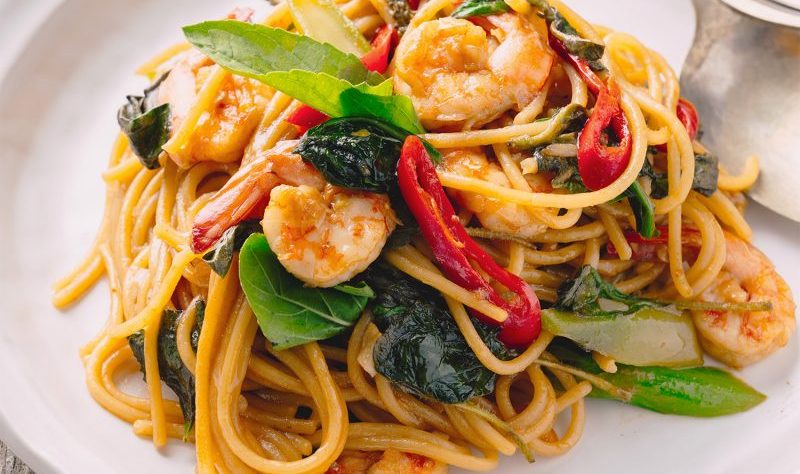
Thai food is now enjoyed in nearly every corner of the world. From street food stalls in Europe to restaurants in the United States and Australia, its reach is undeniable. But how did it spread so widely, and why has it resonated with such a broad range of tastes?
One reason is the bold combination of flavors. Thai cuisine relies on contrasts that are easy to appreciate even if someone has never tasted it before. The mix of spicy, sour, salty, and sweet makes each dish exciting. Dishes like green curry, pad Thai, and tom yum soup offer a range of textures and tastes that appeal to many.
The use of cooking paste has played a part in helping Thai food gain popularity beyond its borders. These pastes make complex dishes accessible to home cooks. With the right paste, even someone unfamiliar with Thai ingredients can put together a dish that tastes authentic. This accessibility has helped Thai food move from restaurant menus into everyday kitchens.
Another factor is the speed of preparation. Many Thai meals can be made quickly without advanced techniques. Stir-fried vegetables, noodle dishes, and curries are often cooked in a single pan or wok, making them appealing for people who want something fresh without spending hours in the kitchen.
Travel has also played a role. Visitors to Thailand often fall in love with the food and look for ways to enjoy those dishes when they return home. This demand has encouraged restaurants to add Thai items to their menus and has led to an increase in Thai restaurants around the world.
Immigration has further supported the global spread of Thai cuisine. Communities abroad often open small food businesses that serve their local area. These eateries introduce regional dishes and flavors that gradually become more familiar to those who live nearby. Over time, these meals become favorites in their own right.
Supermarkets and online stores have also made Thai ingredients easier to find. Items like fish sauce, rice noodles, coconut milk, and curry paste are now available in many countries. This shift has made it much simpler for people to experiment with Thai food at home. The availability of ready-made cooking paste helps bridge the gap between traditional methods and modern convenience.
Thai food’s flexibility is another reason for its popularity. Recipes can be adjusted to suit different dietary preferences. Many dishes can be made vegetarian or vegan without losing their essence. Others can be made milder or spicier depending on taste. This makes it easy for people from different backgrounds to adapt Thai meals to their own preferences.
Media and food culture have helped boost visibility too. Cooking shows, food blogs, and social media have all shared Thai recipes with a wider audience. Influencers posting food content often include Thai meals in their videos, showcasing how quick and colourful the cuisine can be.
At the heart of Thai food’s success is how it makes people feel. It’s comforting without being heavy. It’s exciting without being unfamiliar. And thanks to products like cooking paste, it’s now easier than ever to bring those same flavors to any kitchen in the world.