

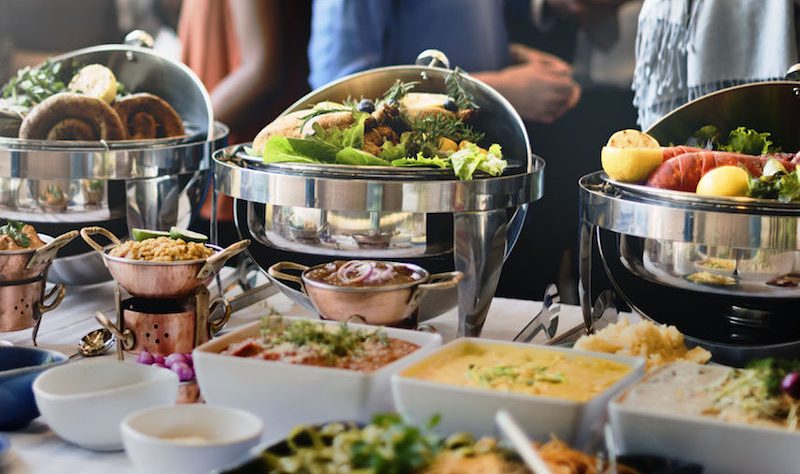
Planning a catering menu for a large gathering requires thoughtful coordination, practical decision-making, and a clear understanding of guest expectations. Whether the event is a wedding reception, corporate function, family celebration, or community festival, the right menu can elevate the experience while keeping logistics manageable.
This guide outlines reliable strategies to help you design a balanced, efficient, and guest-friendly catering menu for events of any scale.
Understand the Nature of the Event
Before selecting dishes, identify the purpose and tone of the gathering. The menu should match the atmosphere and audience.
Consider the following:
- Formal or informal setting
- Indoor or outdoor venue
- Time of day
- Cultural preferences of attendees
- Age groups present
For example, a corporate seminar benefits from light, easy-to-eat options, while a wedding reception typically includes a multi-course or buffet-style meal.
Aligning the menu with the event type helps maintain consistency and avoids unnecessary complications.
Estimate the Guest Count Accurately
Accurate headcount planning prevents food shortages and unnecessary expenses.
Helpful methods include:
- Confirm RSVPs early
- Add a buffer of 5 to 10 percent
- Separate adults and children counts if possible
Large-scale catering works best when portions are calculated carefully. Overestimating slightly is safer than running short during service.
Choose the Right Catering Style
Selecting the appropriate service format affects both logistics and guest satisfaction.
Common catering formats include:
Buffet Service
- Suitable for large groups
- Encourages variety
- Reduces staffing requirements
Plated Service
- Ideal for formal events
- Provides controlled portions
- Requires more coordination
Food Stations
- Creates interaction
- Allows customization
- Works well for themed gatherings
Family-Style Service
- Encourages social dining
- Efficient for medium-sized events
Choose the format that best matches your budget and venue layout.
Plan a Balanced Menu Structure
A successful catering menu includes variety without overwhelming guests.
A balanced structure usually includes:
- Starters or appetizers
- Main course selections
- Vegetarian options
- Side dishes
- Desserts
- Beverages
Ensure flavors complement each other rather than compete. Avoid choosing too many similar dishes.
For example, pairing spicy dishes with mild sides improves accessibility for all guests.
Include Dietary-Friendly Options
Modern gatherings often include guests with specific dietary needs. Addressing these requirements improves inclusivity and prevents last-minute challenges.
Common considerations include:
- Vegetarian choices
- Vegan alternatives
- Gluten-free dishes
- Low-spice selections
- Allergy-sensitive items
Labeling food stations clearly helps guests make confident selections.
Select Dishes That Are Easy to Serve in Large Quantities
Not every recipe scales well for large crowds. Choose dishes that maintain quality even when prepared in bulk.
Reliable catering-friendly options include:
- Rice-based dishes
- Pasta selections
- Roasted vegetables
- Grilled proteins
- Stews and curries
- Bread assortments
Avoid items that require last-minute assembly or complicated plating.
Consider Seasonal Ingredients
Seasonal ingredients improve taste while controlling catering costs.
Benefits of seasonal menu planning include:
- Fresher flavor profiles
- Better ingredient availability
- Reduced procurement challenges
- Lower overall budget pressure
For example, summer menus often include lighter salads and grilled dishes, while winter menus benefit from warm comfort foods.
Plan Beverage Pairings Strategically
Beverage planning is often overlooked but plays a major role in guest satisfaction.
Include a combination of:
- Water stations
- Fresh juices
- Soft drinks
- Tea and coffee
- Mocktails where appropriate
Ensure beverage service matches the event duration and weather conditions.
Avoid Overcomplicating the Menu
Large gatherings benefit from simplicity and clarity. A focused menu reduces confusion and speeds up service.
Instead of offering too many choices, aim for:
- Two or three main course options
- One vegetarian highlight dish
- Two dessert selections
- One signature beverage option
A streamlined menu improves efficiency without limiting guest enjoyment.
Coordinate Menu Timing With Event Schedule
Timing directly affects how guests experience the food service.
Important timing considerations include:
- Appetizer service before main meals
- Dessert timing after speeches or presentations
- Beverage refills during transitions
- Late-night snack options for extended events
Well-timed service ensures guests remain engaged and comfortable throughout the gathering.
Work Closely With the Catering Team
Professional caterers offer valuable insights based on experience with similar events.
Collaborate with them to:
- Adjust portion estimates
- Optimize service flow
- Select practical menu combinations
- Manage kitchen logistics
- Identify backup solutions
Early coordination prevents last-minute changes and service delays.
Plan Presentation and Food Layout Carefully
Food presentation influences guest perception just as much as taste.
Effective presentation strategies include:
- Clearly organized buffet stations
- Logical food grouping
- Visible labeling
- Adequate serving space
- Easy access for all guests
Well-planned layouts prevent crowding and improve service speed.
Allocate Budget Across Menu Categories Wisely
Balancing spending across courses ensures overall quality.
Recommended allocation strategy:
- Prioritize main dishes
- Keep appetizers simple but appealing
- Limit dessert variety if necessary
- Choose seasonal beverages
Strategic budgeting helps maintain consistency without overspending.
Prepare a Backup Plan for Unexpected Situations
Even well-planned events face unexpected challenges.
Prepare for:
- Additional guests
- Weather changes for outdoor events
- Delayed service timing
- Ingredient substitutions
Flexible menu planning ensures smooth execution under changing conditions.
Frequently Asked Questions
How many dishes should be included in a catering menu for large gatherings
Most large events work well with two to three main dishes, two side dishes, one vegetarian option, and two desserts. This keeps variety manageable without slowing service.
What is the best catering format for events with more than 100 guests
Buffet-style catering is usually the most efficient option because it reduces service time and allows guests to choose their preferred portions.
How early should catering menu planning begin
Menu planning should ideally begin four to six weeks before the event to allow time for confirmations, ingredient sourcing, and adjustments.
How can catering waste be minimized at large gatherings
Accurate guest estimates, smaller dessert portions, and controlled refill stations help reduce unnecessary food waste.
Should children’s menu options be included in large gatherings
Yes, including simple and familiar dishes for children improves satisfaction among families attending the event.
How can vegetarian guests be accommodated effectively
Providing at least one protein-rich vegetarian main dish ensures vegetarian guests receive a complete meal rather than only side options.
Is it necessary to include late-service snacks for long events
For events lasting more than four hours, offering light late-service snacks helps maintain guest energy levels and comfort.