

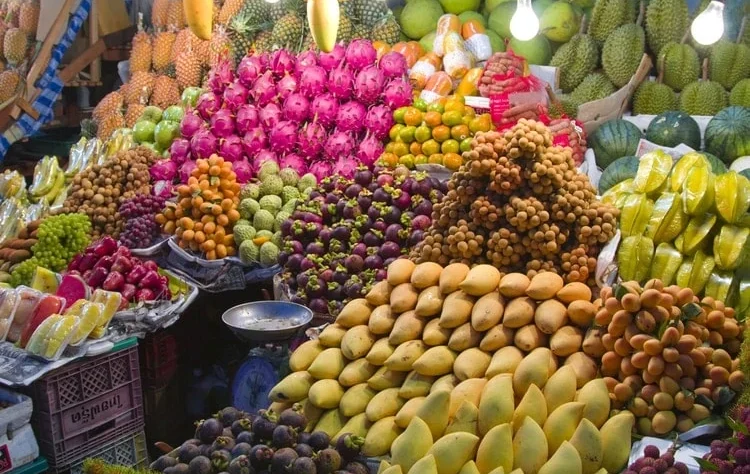
When it comes to tropical produce, Thailand holds a special place on the world stage. With its rich soil, sunny climate, and a long tradition of farming, the country grows some of the most flavorful and nutritious fruit you’ll find anywhere. From markets in Bangkok to supermarket aisles in Europe, Thai produce is celebrated globally. Among its bountiful exports, the variety and quality of fresh fruits Thailand is especially remarkable. Whether you’ve tasted some or none of these, consider this your guide to the best Thai fruits that get exported around the world.
One fruit that often grabs the headlines is the durian. Dubbed the “king of fruits,” durian is, in a word, divisive. With its spiky exterior and its bold scent (some say love it, others say leave the room), it’s definitely not for everyone. But those who do enjoy it rave about its creamy, custard-like texture and complex flavor that’s both sweet and savory. Personally, I think durian grows on you, it’s not immediate love, but when it happens, it’s intense. Thailand exports tons of durian every year, particularly to places like China. Pretty wild to think such a bold-flavored fruit has such a massive international following!
Now, for something universally loved, lets talk about mangoes. Sweet, juicy, and packed with vitamins, Thai mangoes are some of the finest you’ll ever taste. Varieties like Nam Dok Mai and Keo Savoy are incredibly popular, both in raw form and as part of dishes like mango sticky rice. Have you tried eating a ripe mango fresh off the tree? I had it once in the Thai countryside, it was unbelievable. This vibrant fruit makes its way from Thai orchards to countries all over the world, putting smiles on faces everywhere it shows up.
On a completely different note, there’s the humble coconut. Less flashy than mangoes or durian, but no less impressive. Thai coconuts are renowned for their naturally sweet water and creamy flesh. They’re sought after for drinking straight or making coconut cream and oil. You’ll often see them labeled as “young coconuts” in shops outside Thailand, perfect for cracking open on a hot day. I think coconuts are basically nature’s reminder to stay hydrated, don’t you? And the fact that exporting coconuts creates a sustainable livelihood for many Thai farmers makes them even more admirable.
Guava is another Thai fruit that’s gaining global attention. It’s tart, slightly sweet, and its crisp texture is a welcome change from softer tropical fruit. Plus, it’s packed with vitamin C, making it a guilt-free snack. This green fruit isn’t as prolific in kitchens as I think it could be, though. Imagine it in a tropical fruit salad or sliced up alongside chili salt, pure heaven.
And then there’s pomelo, Thailand’s answer to grapefruit, but better. Thai pomelos are massive and often sweeter than the bitter grapefruit many are used to. It’s incredible in salads or just raw, and I often think people underestimate its versatility. You don’t need much to upscale a boring dish when you’ve got pomelo segments on hand.
Thailand’s range of fruit diversity truly feels like nature showing off. From sweet papayas to juicy pineapples, the sheer variety ensures there’s a taste for everyone, somewhere. Take longan, for instance, those tiny, translucent fruit with a floral aroma. Known as the “dragon’s eyes,” longan strikes me as one of Thailand’s hidden gems. It’s like a dessert that can comfortably fit in your pocket. How cool is that?
Whether it’s all about the zing of citrus, the surprising textures, or the full-bodied sweetness of Thai fruit, it’s no wonder they’re crossing borders. Every fruit reflects Thailand’s tropical charm, and when you bite into one, you’re biting into a little story of its land and people.