

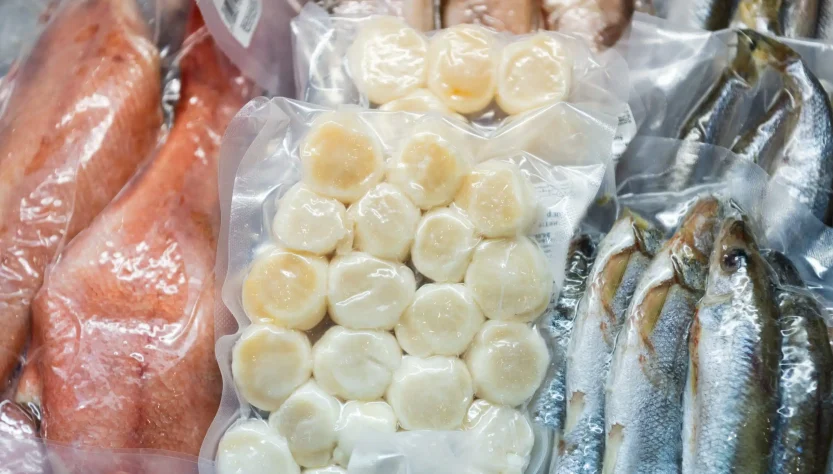
Frozen seafood became central to restaurant and retail supply because it gives buyers a way to sell seafood without depending on daily fresh deliveries. The product still needs careful sourcing and handling, but freezing gives businesses better control over stock, menu planning, display life and waste.
For a retailer or foodservice buyer working with a frozen seafood exporter, the decision starts with the job the product has to do. A restaurant kitchen needs seafood that performs consistently during service. A retailer needs products that look clear to shoppers, hold well in storage and fit the freezer section without creating unnecessary waste.
Restaurants use frozen seafood because it helps kitchens plan around demand. A chef or purchasing team can keep shrimp, fish, crab or value-added seafood available for core dishes without relying on fresh supply every morning. That matters for hotels, caterers, QSR brands and restaurant groups where the same dish has to be served repeatedly across different days or locations.
Portion control is a big part of the value. Frozen seafood can be supplied in sizes and formats that suit the menu, which helps kitchens manage cost and preparation time. A breaded shrimp, salmon portion, crab product or ready-to-cook seafood item needs to behave the same way each time it is prepared. If the product changes too much between orders, the kitchen has to adjust cooking times, plating, stock levels and pricing.
Retailers look at frozen seafood through a different lens. The freezer gives shoppers access to seafood at home without the short deadline that comes with fresh fish. It also lets retailers offer seafood in formats that are simple to understand, such as raw shrimp, cooked shrimp, fish portions, meal components or ready-to-cook products. The customer sees convenience, while the retailer gets a category that is easier to manage than a fully fresh counter.
Product development has become a major reason frozen seafood keeps growing. It is no longer limited to plain frozen blocks or basic packs. Buyers can work with suppliers on coatings, sauces, marinades, snacks, ready meals and private label products. That opens the category to customers who want seafood but do not want to prepare it from scratch.
The cold chain still decides whether the product succeeds. Freezing protects quality only when the product is processed, packed, stored and shipped properly. Restaurants and retailers need stable temperature control, clear specifications and reliable delivery because any weakness in handling affects texture, appearance and customer trust.
Food safety and documentation also matter in global seafood trade. Importers, retailers and foodservice groups need product records that support internal approval and market requirements. A frozen product might look simple in the freezer, but the order behind it still involves raw material checks, processing controls, packing standards and shipment documents.
Frozen seafood became essential because it fits the way modern food businesses operate. Restaurants need consistency during service. Retailers need products that last, display well and suit home cooking. A strong frozen seafood supplier helps both groups manage quality, availability and product development without making seafood harder to sell.