

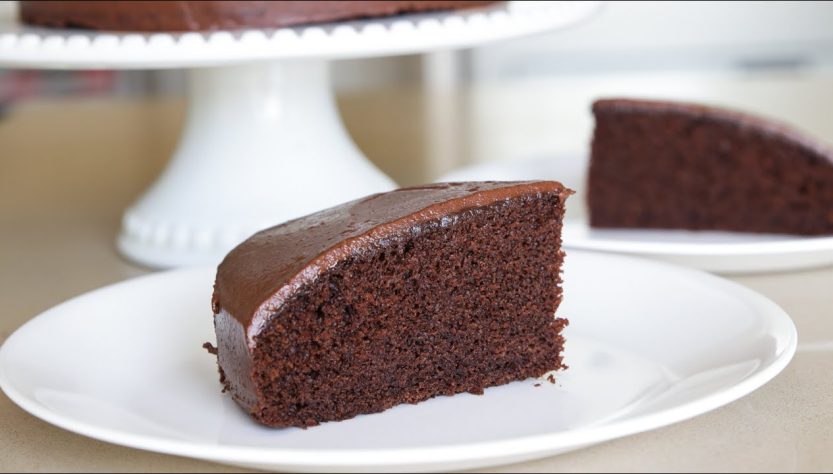
Creating soft and moist vegan cakes is easier than many bakers expect. The absence of eggs and dairy does not limit texture or flavor when the right techniques and ingredient swaps are used. Understanding how plant-based ingredients behave in baking helps produce cakes that stay tender, airy, and satisfying.
This guide explains practical vegan baking hacks that consistently improve moisture, structure, and taste.
Why Vegan Cakes Sometimes Turn Dry
Traditional cakes rely on eggs and butter for structure and moisture retention. Without proper replacements, vegan cakes may become dense or crumbly.
Common causes include:
- Using too little fat
- Choosing the wrong egg substitute
- Overbaking
- Incorrect flour measurement
- Skipping moisture-rich ingredients
Correcting these issues leads to consistently better results.
Use the Right Egg Substitutes for Structure and Moisture
Egg substitutes should match the role eggs play in the recipe. Some provide binding, while others add moisture or lift.
Reliable options include:
- Flaxseed mixture for structure and softness
- Chia seed gel for binding and moisture retention
- Applesauce for natural sweetness and tenderness
- Mashed banana for dense but moist texture
- Plant yogurt for softness and richness
Flaxseed mixture works especially well in sponge-style cakes because it balances structure and moisture.
Choose Moisture-Rich Plant-Based Fats
Fat plays a critical role in creating soft crumbs. Replacing butter correctly improves cake texture immediately.
Best options include:
- Neutral vegetable oil for consistent softness
- Coconut oil for structure and flavor depth
- Olive oil for tender crumb in citrus cakes
- Vegan butter alternatives for traditional texture
Oil-based cakes usually stay moist longer than butter-based versions.
Measure Flour Correctly Every Time
Too much flour is the most common reason vegan cakes become dry.
Follow these simple practices:
- Spoon flour into measuring cups instead of scooping directly
- Level the surface with a flat edge
- Avoid compressing flour during measurement
Even small measurement errors change the final texture noticeably.
Add Plant-Based Yogurt for Soft Texture
Plant yogurt improves crumb softness by adding moisture and mild acidity. This supports better gluten development and helps cakes rise evenly.
Suitable options include:
- Soy yogurt
- Almond yogurt
- Coconut yogurt
Plain unsweetened versions work best in most cake recipes.
Use Vinegar with Baking Soda for Extra Lift
A small amount of vinegar reacts with baking soda to create carbon dioxide bubbles. This produces lighter cakes without eggs.
Effective choices include:
- Apple cider vinegar
- White vinegar
The flavor disappears during baking but the structure improvement remains.
Include Natural Moisture Boosters
Certain ingredients keep cakes soft even after refrigeration.
Helpful additions include:
- Applesauce
- Pumpkin puree
- Mashed banana
- Maple syrup
- Brown sugar
These ingredients trap moisture inside the crumb and extend shelf life.
Avoid Overmixing the Batter
Overmixing strengthens gluten excessively and creates dense cakes.
For best texture:
- Mix until ingredients are just combined
- Stop once no dry flour remains
- Fold gently instead of stirring aggressively
Gentle mixing preserves softness.
Bake at the Correct Temperature
High temperatures cause rapid moisture loss before the cake structure sets properly.
Recommended approach:
- Preheat the oven fully before baking
- Bake at moderate temperatures
- Check doneness early using a toothpick test
Slightly underbaked centers finish cooking during cooling and remain softer.
Let Cakes Cool Properly Before Cutting
Cutting a cake too soon releases steam and reduces moisture retention.
For best results:
- Cool in the pan briefly
- Transfer to a rack afterward
- Wait until completely cool before slicing
This step improves both texture and flavor development.
Use Simple Syrup for Professional-Level Moisture
Light brushing with sugar syrup transforms cake texture instantly.
Basic syrup includes:
- Warm water
- Sugar
- Optional vanilla extract
Apply gently over cooled cake layers before frosting to maintain long-lasting softness.
Frequently Asked Questions
Can vegan cakes stay moist for multiple days without refrigeration
Yes. Cakes made with oil, fruit puree, or plant yogurt usually stay soft longer when stored in airtight containers at room temperature.
Does almond milk work better than soy milk in vegan cakes
Both work well, but soy milk often produces slightly stronger structure because of its higher protein content.
Why does my vegan cake sink in the center after baking
This usually happens due to underbaking, excess liquid ingredients, or opening the oven door too early during baking.
Can I replace sugar with natural sweeteners in vegan cakes
Yes. Maple syrup and coconut sugar are common alternatives, but liquid sweeteners require slight flour adjustments.
Is whole wheat flour suitable for soft vegan cakes
It can be used partially, but replacing only half the all-purpose flour maintains better softness and structure.
Do vegan cakes require different baking times than traditional cakes
Sometimes they bake slightly faster depending on moisture content, so checking early helps prevent dryness.
How can I improve the flavor depth of vegan vanilla cakes
Adding almond extract, citrus zest, or brown sugar enhances complexity without affecting texture.