

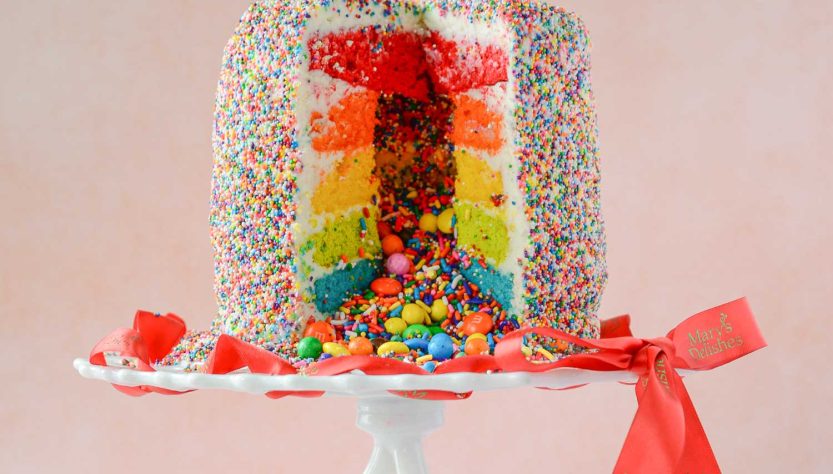
Color plays a decisive role in how customers perceive cakes before they even notice flavor or ingredients. From soft pastels that suggest elegance to bold tones that signal celebration, cake colors influence expectations, emotions, and purchase decisions. Understanding the psychology behind cake colors helps bakeries, home bakers, and dessert brands design products that resonate with customers and encourage stronger engagement.
Why Cake Color Matters in Customer Decision-Making
Customers rarely choose cakes randomly. Visual appeal shapes perception instantly, and color becomes the first communication tool between the cake and the buyer.
Color influences:
- Emotional response
- Flavor expectations
- Occasion suitability
- Perceived freshness and quality
- Brand identity recognition
A well-chosen cake color can make the same recipe feel luxurious, playful, comforting, or premium.
How Customers Interpret Different Cake Colors
Red Cakes: Passion, Celebration, and Energy
Red is associated with excitement and emotional intensity. It attracts attention quickly and is often linked with festive occasions.
Customers typically associate red cakes with:
- Romantic celebrations
- Anniversaries
- Valentine-themed desserts
- Bold flavor expectations such as strawberry or red velvet
Red increases impulse purchases because it stimulates urgency and enthusiasm.
Yellow Cakes: Warmth and Happiness
Yellow communicates optimism and friendliness. It creates a welcoming impression that feels approachable and cheerful.
Yellow cakes work especially well for:
- Children’s birthdays
- Summer parties
- Casual gatherings
- Citrus-flavored desserts
Customers often expect lemon, pineapple, or vanilla-based flavors when they see yellow tones.
Pink Cakes: Softness and Elegance
Pink signals sweetness, charm, and emotional warmth. It is commonly chosen for celebrations that emphasize affection and style.
Pink cakes appeal strongly for:
- Baby showers
- Bridal events
- Romantic gatherings
- Trend-driven social media presentations
Soft pink shades increase perceived delicacy and sophistication.
Blue Cakes: Calmness and Creativity
Blue cakes stand out because blue is rare in natural foods. This makes them memorable and visually striking.
Customers often choose blue cakes for:
- Themed birthdays
- Gender reveal celebrations
- Modern dessert aesthetics
- Creative presentation-focused events
Blue signals uniqueness and originality rather than traditional flavor expectations.
White Cakes: Simplicity and Luxury
White represents purity, elegance, and timeless appeal. It creates trust and suggests premium craftsmanship.
White cakes are strongly preferred for:
- Weddings
- Formal ceremonies
- Minimalist celebrations
- Classic bakery branding
Customers often associate white cakes with vanilla, coconut, or almond flavors.
Black Cakes: Sophistication and Modern Style
Black cakes communicate exclusivity and bold personality. They are increasingly popular in premium dessert markets.
Customers interpret black cakes as:
- Designer-style desserts
- Luxury celebration pieces
- Trend-forward creations
- Chocolate-heavy flavor profiles
Black works particularly well for adult birthdays and upscale events.
How Cake Color Shapes Flavor Expectations
Customers subconsciously connect color with taste even before reading the label.
Common expectations include:
- Pink suggests strawberry or raspberry
- Yellow suggests lemon or vanilla
- Brown suggests chocolate or coffee
- Green suggests pistachio or mint
- Orange suggests citrus or mango
When the flavor matches the color expectation, customers report higher satisfaction.
Cultural Influences on Cake Color Preferences
Color meanings vary across regions and traditions, which directly affects purchasing behavior.
Examples include:
- Red symbolizing celebration and prosperity in many Asian cultures
- White representing purity in Western weddings
- Gold suggesting luxury in premium dessert gifting
- Green symbolizing freshness and health-conscious choices
Understanding cultural associations allows bakeries to design cakes that feel locally meaningful.
Seasonal Trends That Affect Cake Color Choices
Customer preferences change with seasons, making color strategy important for bakery sales planning.
Typical seasonal trends include:
- Pastels during spring celebrations
- Bright tones during summer parties
- Earthy shades during autumn gatherings
- White and metallic tones during winter holidays
Seasonal alignment increases visual relevance and boosts purchase likelihood.
Social Media Influence on Cake Color Popularity
Platforms focused on visual sharing have transformed how customers select cakes. Color now plays a major role in shareability.
Trending social-media-friendly cake colors include:
- Minimalist neutrals
- Gradient frosting designs
- Metallic accents
- Pastel palettes
- Monochrome themes
Customers increasingly choose cakes that look attractive in photographs as much as they taste good.
How Bakeries Can Use Color Psychology Strategically
Bakeries that apply color psychology intentionally often see stronger customer engagement.
Effective strategies include:
- Matching frosting color with expected flavor
- Designing occasion-specific palettes
- Offering seasonal color collections
- Creating signature brand color styles
- Highlighting premium products with darker tones
Thoughtful color choices transform cakes from simple desserts into emotional experiences.
Frequently Asked Questions
How does cake color affect impulse buying behavior
Bright and high-contrast colors attract attention faster, increasing the likelihood that customers will make spontaneous purchase decisions.
Can unusual cake colors reduce customer interest
Unfamiliar colors may initially create hesitation, but they often increase curiosity when paired with appealing decoration and clear flavor descriptions.
Do children and adults prefer different cake colors
Yes. Children generally prefer brighter tones such as yellow, blue, and red, while adults often choose neutral, pastel, or darker premium shades.
Does frosting color influence perceived sweetness
Yes. Lighter colors are commonly associated with milder sweetness, while darker tones suggest richer flavors.
Should cake color always match the flavor inside
Matching color with flavor expectation improves customer satisfaction, but contrast can work when clearly communicated.
Are pastel cakes more popular for formal celebrations
Pastel cakes are widely preferred for weddings, baby showers, and elegant gatherings because they communicate softness and refinement.
Can cake color influence brand identity for bakeries
Consistent use of signature color palettes helps customers recognize bakery products quickly and strengthens brand recall.